
As part of the TransCom webinar series, the CATRINE project team, in collaboration with TransCom partners, showed how its work is advancing from early model–observation comparisons towards a broader framework for evaluating atmospheric tracer transport.
Chiranjit Das (LSCE) gave the three presentations highlighting the steady progress being made in tracer transport evaluation. The February meeting introduced the first comparison results against observations, the March meeting added deeper diagnostics and sharper analysis, and the April TransCom webinar widened the focus to model ranking, shared protocols, and the future public delivery of simulations and diagnostic metrics.
Meeting 1: First results from model–observation comparisons
The first webinar, held on 5 February 2026, focused on the project’s initial results, comparing transport model simulations with observations from surface stations, aircraft and AirCore profiles. It brought together a wide modelling community, reviewed the growing simulation archive and introduced the first diagnostics for assessing how well different models reproduce observed CO₂ behaviour. One message emerged early: results depend strongly on the evaluation metric, underlining the need for a robust and transparent assessment framework.
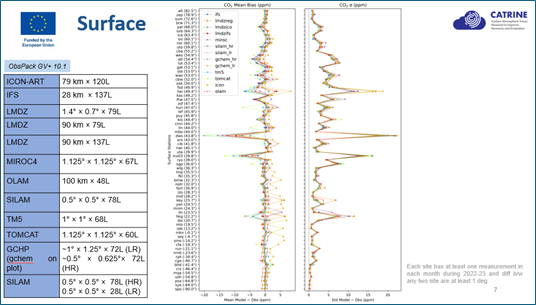
Figure 1: Surface comparison results presented on 5 February 2026 showed how global transport model simulations compare with atmospheric observations used in the CATRINE evaluation framework.
Meeting 2: Updated diagnostics deepen the analysis
The second webinar, on 20 March 2026, took the analysis further with updated results and a more detailed diagnostic picture. Alongside refreshed CO₂ assessments, the session explored seasonal bias patterns, aircraft-based comparisons and AirCore results in greater depth. It also showed why using multiple metrics matters: different approaches can reveal where models perform consistently well and where transport differences still need to be understood.
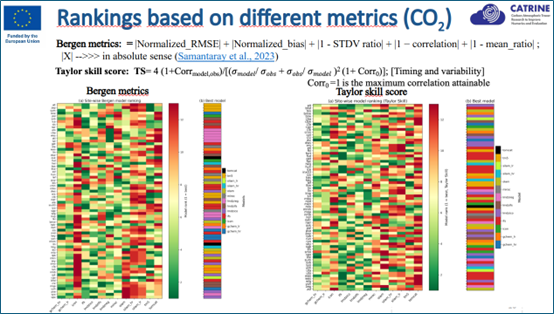
Figure 2: Ranking of the model simulations against surface network, presented on 20 March 2026, highlighted how updated diagnostics are helping to refine comparisons between global transport models.
Meeting 3: A broader synthesis
The third webinar on 7 April 2026, broadened the discussion from project progress to a wider synthesis of tracer transport evaluation in global models. It reviewed the proposed common protocol, participating models and cross-tracer diagnostics spanning CO₂, SF₆ and radon, while also presenting ranking methods based on multiple skill metrics. Just as importantly, it looked ahead to public access to simulations and open diagnostic tools—an important step towards supporting the wider scientific community and future CO₂ monitoring applications.
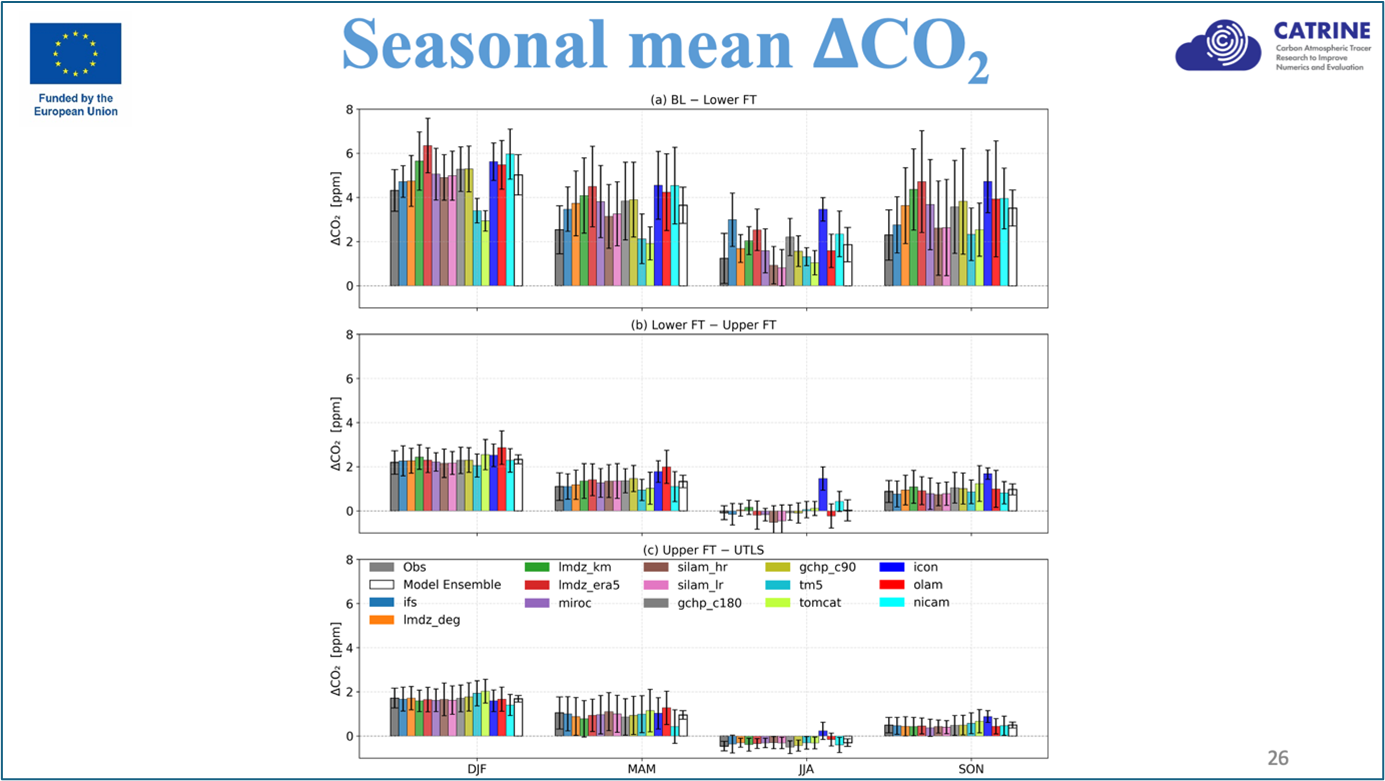
Figure 3: CO₂ differences between layers during the 7 April 2026 TransCom webinar, illustrated the mixing strength differences are helping the CATRINE community compare global transport models and strengthen evaluation methods.
Together, the three meetings show how quickly the CATRINE effort is maturing—from assembling and comparing model simulations to building a more integrated framework for tracer-based transport evaluation. The presentation series also highlighted the strength of collaboration across institutions and the practical progress being made towards a more reliable assessment of atmospheric transport models.
Article created by R.Phipps using Copilot. Checked for accuracy by Chiranjit Das (LSCE) and A. Agusti-Panareda (ECMWF)
Images courtesy of Chiranjit Das.